
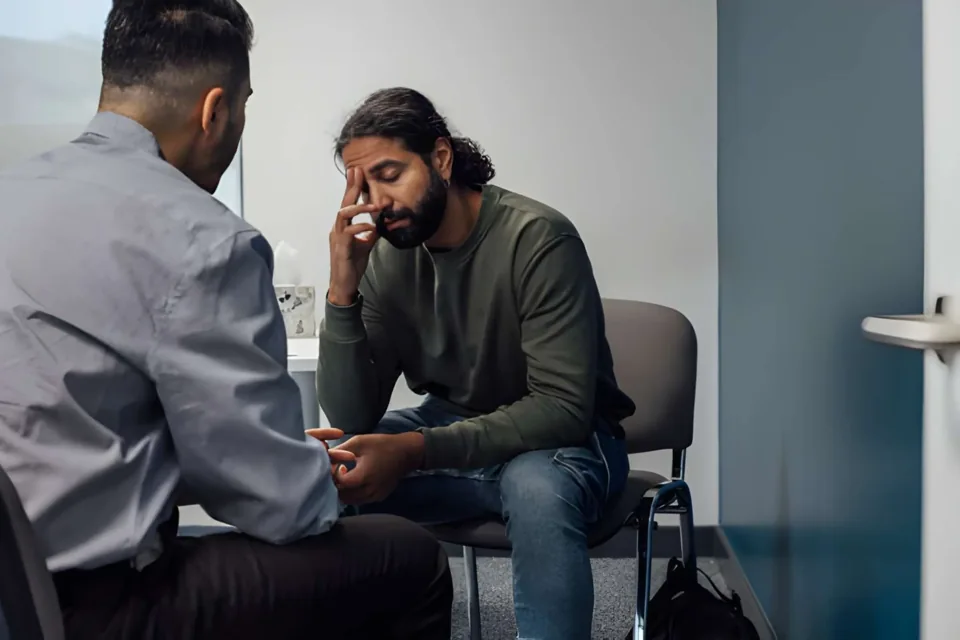
Understanding mixed feelings about change
Someone can want better health while also worrying about what treatment will involve. Motivational interviewing is a counselling style that explores this kind of uncertainty collaboratively. SAMHSA's TIP 35 chapter describes the approach and the importance of listening to the person's own reasons for change.
This educational page does not certify any local clinician in the method or establish that a particular IRCC programme uses it. Ask the professional which approach they propose and why. A therapy term in an article is not proof of current provision.
Uncertainty can contain useful information
The person may be concerned about work leave, privacy, money or previous treatment experiences. Those concerns can be explored rather than dismissed as excuses. A practical obstacle may need a practical answer; a clinical concern may need assessment.
Consider someone who wants help but fears losing wages while attending appointments. Their uncertainty includes a real financial issue. The conversation can identify what information is needed about suitable care, appointment arrangements and costs. It should not simply demand stronger motivation.
Collaboration is different from winning an argument
A professional conversation should leave room for the person's perspective and priorities. The purpose is not to produce agreement through shame or pressure. Ask how the clinician will explain choices and check understanding.
Families can support this process by offering observations and practical help with consent. They should not call a threatening confrontation motivational interviewing. The family support guide explores more respectful ways to discuss care.
Goals need the person's participation
A goal becomes more useful when the person understands why it matters. They might want to manage health concerns, return to reliable work attendance or understand their treatment options. The professional can help explore how those aims connect with the next step.
Someone may still have questions after agreeing to assessment. That is not necessarily a failure. The first-contact guide explains how to prepare questions without arriving with a complete treatment plan.
Motivation does not answer every clinical question
Being willing to change does not determine whether stopping a substance is medically safe or which care setting is appropriate. Those decisions need assessment. Do not use a statement of commitment as a substitute for withdrawal evaluation or medicine review.
Similarly, reluctance does not erase immediate danger. Severe confusion, collapse, breathing difficulty or serious safety concerns require an appropriate urgent response. A routine counselling discussion should not delay necessary care.
Prepare an honest conversation
Write what you hope will change, what worries you about seeking help and what information you need. Keep contradictions visible. “I want support but I am worried about privacy” gives the professional something specific to discuss.
Ask about qualifications, the proposed approach and review arrangements through the addiction therapy enquiry. Personal suitability and current service availability need direct confirmation.
Common questions
Is motivational interviewing a way to force agreement?
No. It is a collaborative counselling approach. Threats or manufactured consent should not be presented as motivational interviewing.
Must I feel completely ready before assessment?
You can describe uncertainty and ask for assessment. Explain your concerns honestly rather than pretending to have resolved every question.
Sources and further reading
International sources explain general health information. Their local funding, telephone services and referral systems do not establish availability in Pakistan.