
Assessment
Understand the person, the concerns and the care that may be appropriate.
Treatments & support
اسلام آباد میں علاج اور مشاورت کی خدمات
Explore the care options, then speak with the team about what may be appropriate.
Our services

Addiction treatment
A careful first step towards addiction recovery. Speak with the Soan Garden team about assessment and withdrawal support.
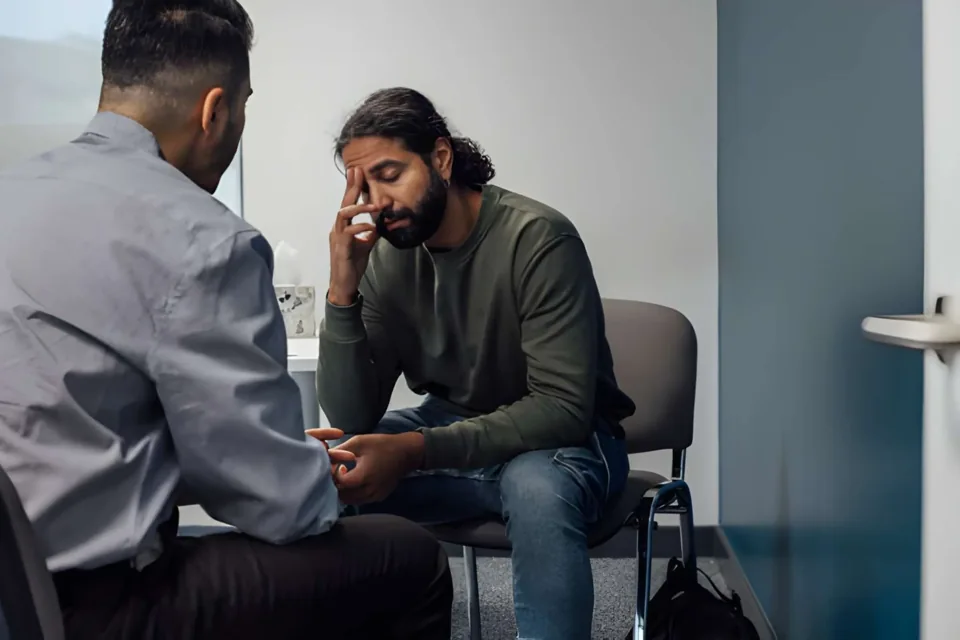
Addiction treatment
Understand patterns, build recovery skills and discuss a treatment plan that considers the person behind the addiction.

Psychological support
A space to talk, understand what feels difficult and explore practical next steps with professional support.

Mental health
Ask about psychiatric assessment, review and treatment planning at IRCC Soan Garden.

Medical care
General medical assessment and health questions, with appointment arrangements confirmed by the Soan Garden team.
Family guidance
When someone you care about needs help, start with a thoughtful conversation about the next step.

Continuing recovery
Plan for everyday challenges and discuss the support needed beyond the initial stage of treatment.

Continuing recovery
Explore continuing structure and support after an initial rehabilitation programme.
Psychological support
Talk about difficult reactions, patterns and practical ways to respond with professional support.
Our treatment process
Understand the person, the concerns and the care that may be appropriate.
Discuss immediate medical and support needs with the clinical team.
Work on psychological, behavioural and recovery needs.
Explore practical routines, coping strategies and support.
Plan for follow-up and the transition into everyday life.
Clear answers
Practical questions before you contact the center.
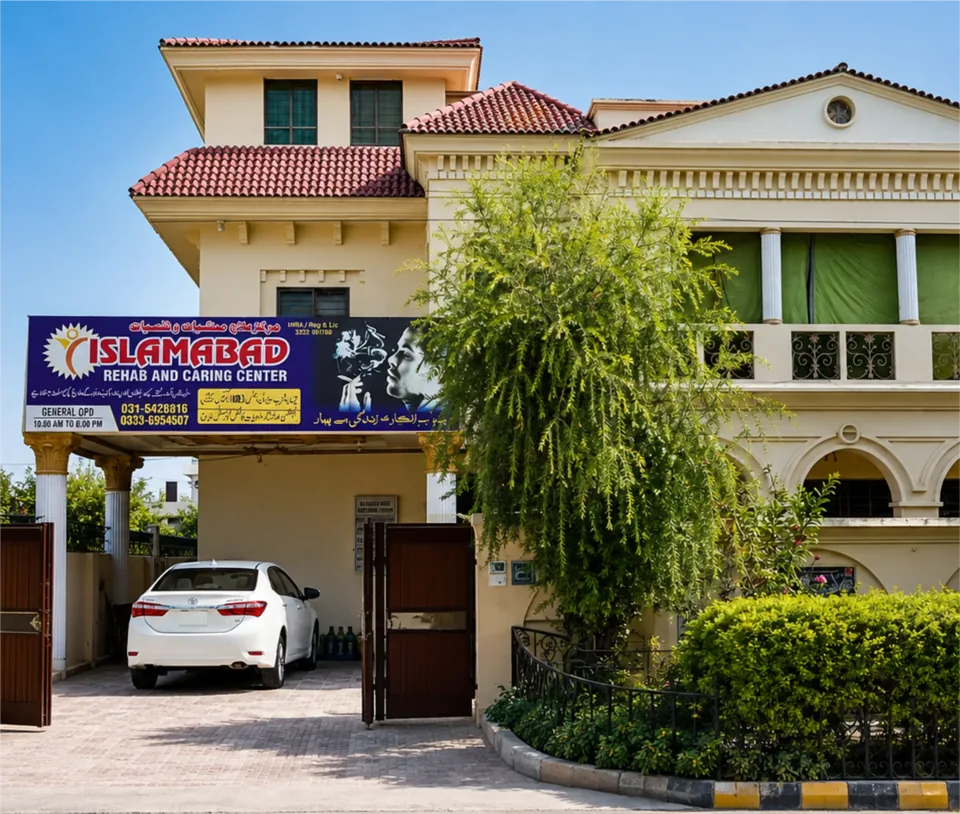
Islamabad Rehab & Caring Center is in Soan Garden, Islamabad. Visit the contact page for the published address and directions. Call before travelling.
Call 051-5428167 or WhatsApp 0333-6954507. You can also prepare a WhatsApp enquiry on the appointment page. The team confirms the next step and available times.
Yes. Families can make an initial enquiry about care options. The team can explain the appropriate process and discuss consent.
Ask IRCC for current fees, what is included and possible additional costs. This website does not publish unverified prices.
No. An appointment, clinician time or admission is confirmed only after the IRCC team responds.
The service directory separates different kinds of help at IRCC Soan Garden. Withdrawal assessment addresses the health considerations involved in stopping or reducing a substance. Addiction therapy concerns psychological treatment enquiries. Counselling concerns broader personal and emotional difficulties. Psychiatry OPD and general medical OPD are distinct consultation routes.
You do not need to decide which professional should diagnose a concern before making the first call. Describe the main issue briefly, explain whether you are enquiring for yourself or a relative and ask the team which assessment is appropriate. A directory helps you prepare that conversation; it does not prescribe a package.
Read drug and alcohol detox assessment for withdrawal-related enquiries. Choose addiction therapy for questions about psychological support linked to substance use. Explore individual counselling when your question concerns talking through personal difficulties. Psychiatry OPD explains psychiatric consultation preparation, while general medical OPD concerns medical outpatient appointments.
Family support focuses on helping someone seek assessment respectfully. Relapse prevention support concerns recovery planning and review. Extended care concerns whether further structured support is appropriate. Anger management enquiries concern reactions, distress and behavioural consequences that need assessment.
Ask about the professional involved, current availability, the care setting and how fees are explained. If several services are proposed, ask how their purposes connect and who reviews the overall plan. The fees page helps you identify inclusions and separate charges. The center page provides the supplied team and photographs without implying that a particular room or clinician is available today.
Our recovery guide library contains educational articles that explain terminology and questions for discussion. Guides are separate from service enquiries: understanding CBT or mindfulness does not mean a specific therapy is automatically appropriate for you. If you have immediate health or safety concerns, seek urgent medical help rather than using the directory to assess an emergency.
Contact our team
Speak with the Soan Garden team about an assessment for yourself or someone you care about.