

Extended Care in Islamabad
Extended Care in Islamabad at Islamabad Rehab & Caring Center provides an additional stage of structured recovery support for people who have completed more intensive treatment but are not yet ready for a completely independent recovery routine.
The purpose is not simply to make treatment longer. Extended care can create more time to practise coping skills, strengthen daily structure, continue therapy, rebuild responsibilities and prepare more gradually for life outside a highly structured treatment setting.
What Is Extended Care in Islamabad?
Extended care is a continuing stage of addiction recovery that can follow detoxification, residential rehabilitation or another more intensive phase of treatment.
Some people make important progress during primary treatment but still need additional structure before returning fully to independent living, previous responsibilities or environments associated with substance use.
Extended care provides more time for recovery skills to move from the therapy room into daily behaviour. Depending on individual needs, support may include counselling, addiction therapy, relapse prevention, family work, routine-building and preparation for greater independence.


Who May Benefit From Extended Care?
Extended care is not automatically required for every person leaving rehabilitation. It may be considered when additional structure could support a safer and more stable transition.
Recovery Still Feels Fragile
The person has made progress but still finds urges, emotional stress or high-risk situations difficult to manage consistently.
Home May Be High Risk
The previous environment may contain substance use, unresolved conflict or other conditions that make immediate transition more difficult.
Daily Structure Needs More Practice
Sleep, appointments, responsibilities and healthy routines may still need reinforcement before greater independence.
Therapeutic Work Is Continuing
Important behavioural, emotional or relationship concerns may benefit from continued counselling or addiction therapy.
Psychiatric Stability Needs Follow-Up
Mental-health symptoms may require continued psychiatric review alongside addiction recovery.
Warning Signs Remain Significant
Previous relapse patterns or current triggers may indicate a need for additional preparation and monitoring.
Extended Care Can Support Several Parts of Recovery
The actual combination should be based on assessment. These areas describe the types of recovery work that may be relevant during a continuing-care stage.

Continuing Counselling & Addiction Therapy
Ongoing therapeutic work can help address triggers, emotional difficulties, relationship patterns and behaviours that continue to affect recovery.

Relapse-Prevention Planning
More time can be used to recognise warning signs, test coping strategies and improve the recovery plan before greater independence.
Relapse Prevention ↗
Routine & Self-Management
Recovery can include practising healthier sleep, self-care, time management, appointments and everyday responsibilities.

Recovery Support
Supportive relationships can help people discuss difficulties earlier rather than dealing with every recovery challenge alone.
The Goal Is Greater Responsibility, Not Permanent Dependence
Continuing care can gradually shift more responsibility toward the individual while treatment support remains available when needed.
Preserve Treatment Gains
Maintain the routines, support and coping strategies developed during earlier treatment.
Use Skills More Independently
Apply coping strategies when stress, conflict or recovery challenges occur in everyday situations.
Strengthen Daily Responsibilities
Develop healthier approaches to routine, personal care, family responsibilities and future planning.
Review Higher-Risk Situations
Identify where recovery feels less stable and adjust the support plan before full transition.
Plan Continuing Support
Clarify future counselling, psychiatric care, family support or other recovery resources.
Move Toward Independence
Reduce treatment intensity when the recovery plan, functioning and support network are ready for it.
Treatment Skills Need to Work Outside Treatment
A person may understand recovery concepts well during structured treatment but still find real-world stress difficult. Extended care can provide additional time to practise how those skills apply to ordinary life.


Home Expectations May Need Preparation Too
Families often expect everything to return to normal as soon as treatment ends. In practice, trust, responsibilities and communication may need to be rebuilt gradually.
Where appropriate, family-focused work can help clarify boundaries, identify risky patterns and prepare for how relatives should respond if recovery begins to become less stable.
Continuing Recovery May Still Need Clinical Care
Extended care does not mean medical or psychiatric concerns are finished. Where relevant, ongoing recovery can remain connected with appropriate clinical services.
Psychiatry OPD
Psychiatric assessment or follow-up when mood, anxiety, psychosis, sleep or other mental-health symptoms remain relevant.
Explore ↗ 02 Physical HealthGeneral Medical OPD
General medical review when physical-health conditions or medications require continued assessment.
Explore ↗ 03 StabilityRelapse Prevention
Structured work around triggers, warning signs, coping strategies and recovery planning.
Explore ↗ 04 BehaviouralAddiction Therapy
Continuing psychological and behavioural work around substance-use patterns and recovery skills.
Explore ↗Recovery Structure Also Depends on the Environment
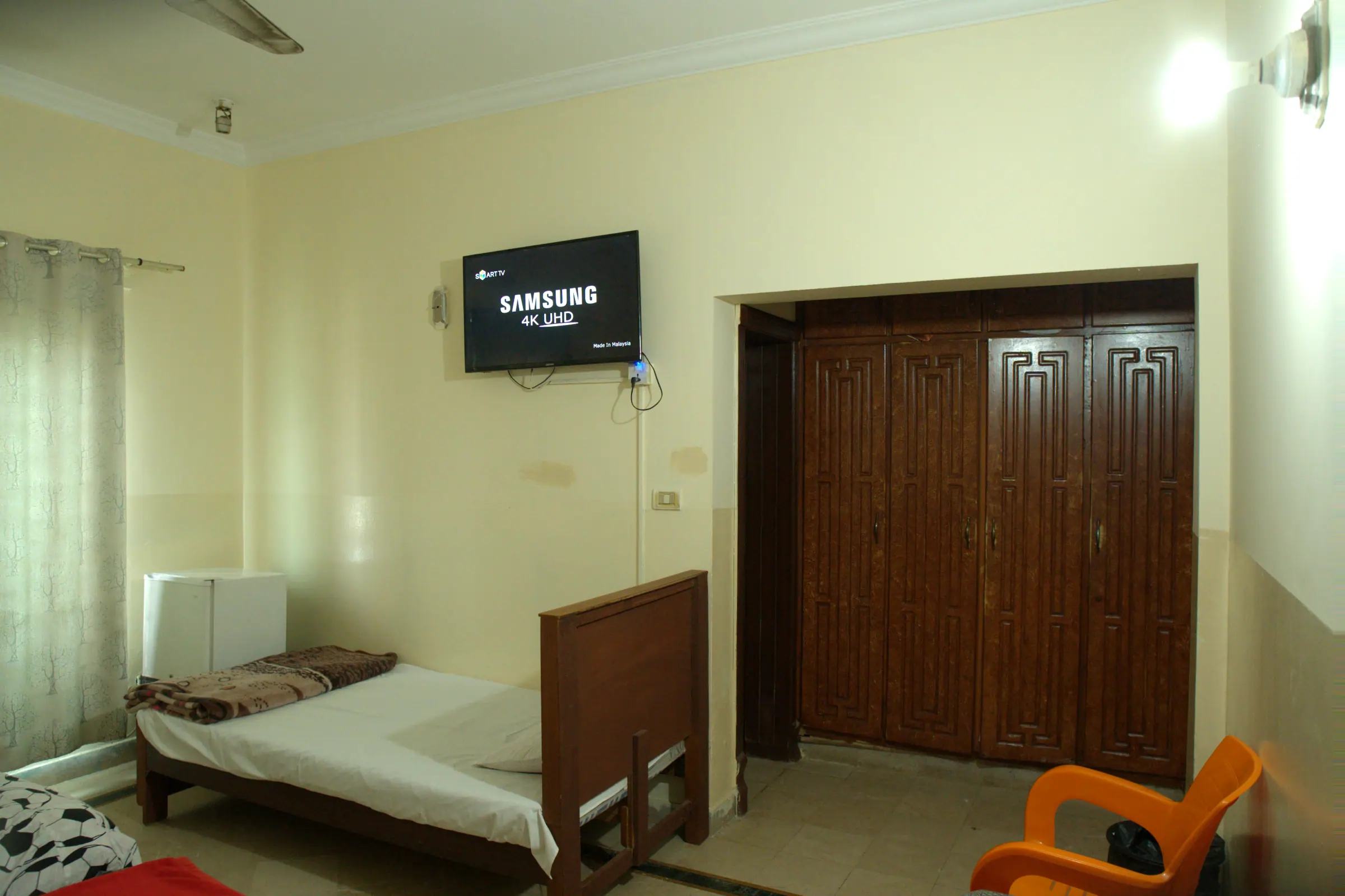
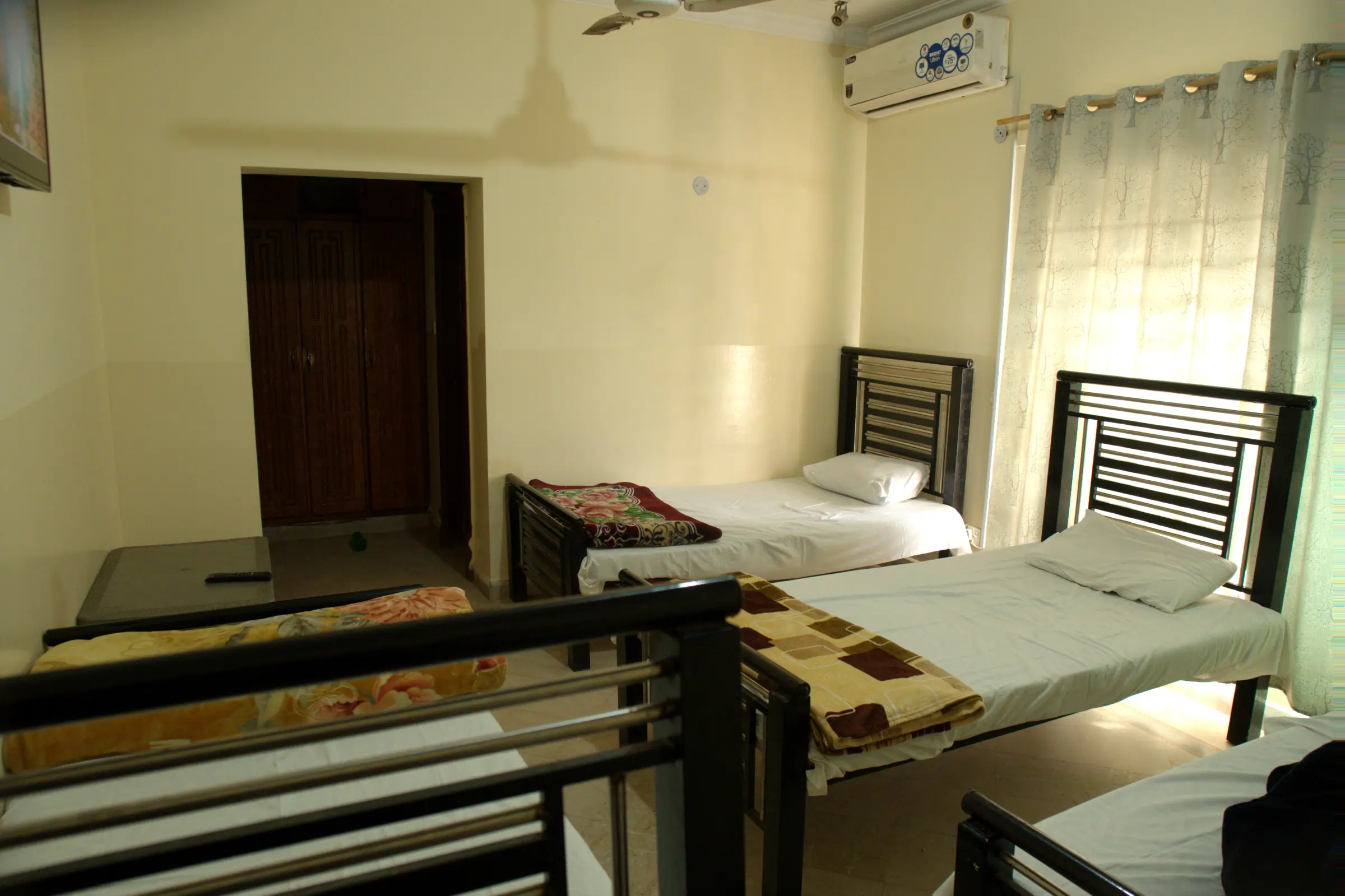
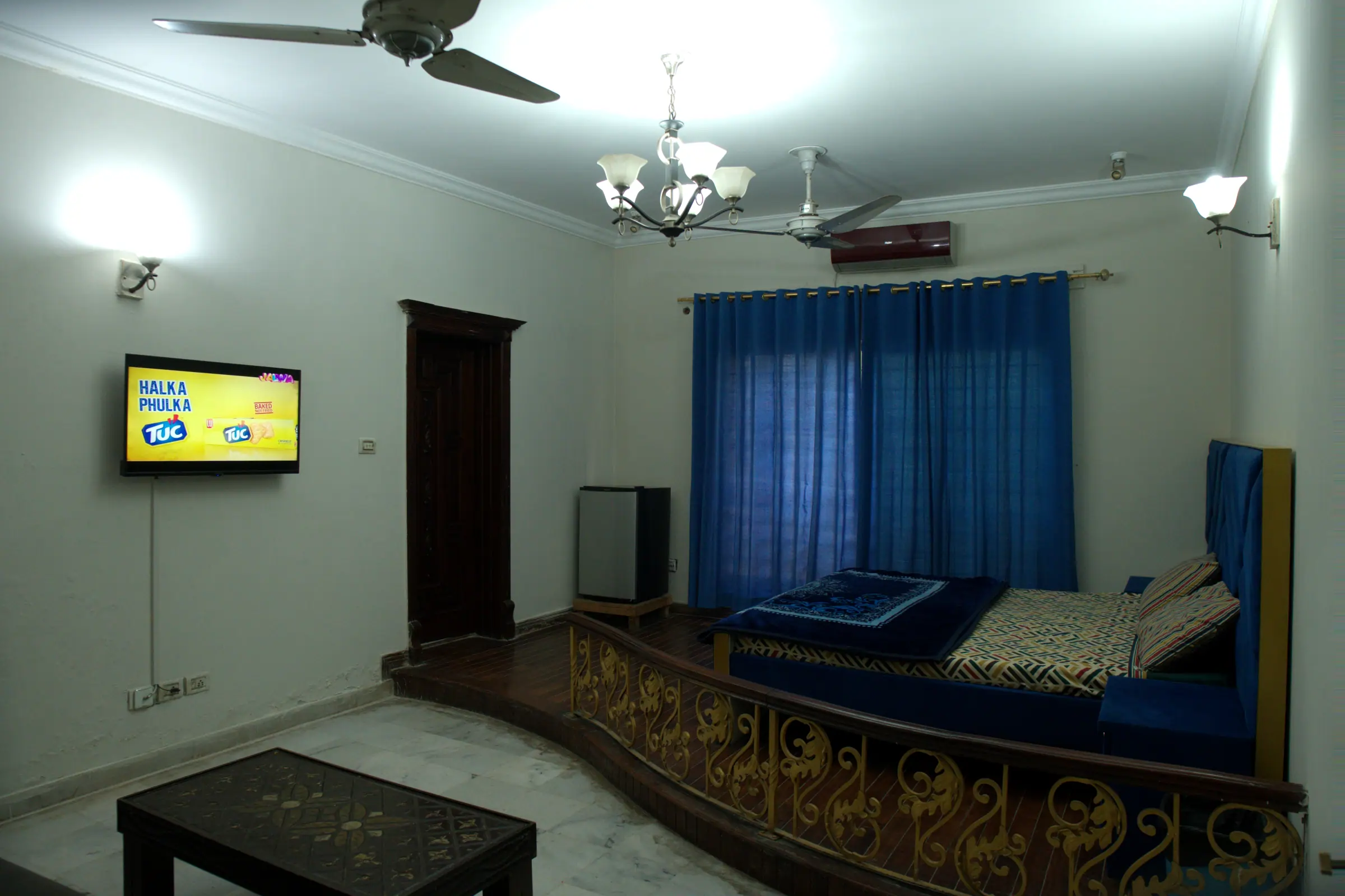
A structured residential setting can reduce some immediate pressures while recovery routines and greater personal responsibility are being strengthened.
Extended Care Should Still Lead Somewhere
The goal is not indefinite treatment. As recovery becomes more stable, the next step is to clarify how support will continue after greater independence.
Review Recovery Stability
Consider current triggers, coping skills, functioning and treatment engagement.
Prepare the Home Environment
Identify boundaries, risks and family expectations before transition.
Confirm Follow-Up
Plan counselling, psychiatric, medical or other recovery appointments where appropriate.
Keep a Relapse Plan
Know what warning signs require early contact with professional support.
Continuing Care Is Recognised as Part of Recovery Management
Families researching long-term addiction care can also review independent WHO and WHO/UNODC guidance on recovery-oriented services and continuing treatment for drug-use disorders.
Questions About Extended Care in Islamabad
Continuing-care needs vary between individuals. Assessment should determine whether additional structure is appropriate and what form it should take.
What is extended care in addiction treatment? +
Extended care is a continuing stage of recovery support after more intensive treatment. It can provide additional structure, therapy, recovery planning and preparation for greater independence.
Is extended care the same as detox? +
No. Detoxification primarily addresses withdrawal and early clinical stabilisation. Extended care generally occurs later and focuses more on maintaining recovery and transitioning toward everyday life.
Does everyone leaving rehab need extended care? +
No. The need for continuing structure should depend on recovery stability, relapse risk, environment, mental health, support systems and other individual circumstances.
What may be included in extended care? +
Depending on individual needs, continuing care may involve counselling, addiction therapy, relapse prevention, family support, psychiatric or medical follow-up, structured routine and recovery planning.
How long does extended care last? +
There is no single appropriate duration for everyone. The level and length of continuing care should be based on individual progress and ongoing recovery needs.
What happens after extended care? +
Transition planning may include outpatient counselling, psychiatric or medical follow-up, family support, relapse-prevention planning and other continuing recovery resources as appropriate.

More Recovery Time Can Be Useful When Independence Still Needs Preparation.
Speak privately with the IRCC team about current treatment progress, relapse risk, home environment, mental-health needs and whether a continuing-care stage may be appropriate.
